
WWII Battlefield and Places and Photos
Follow the Red Devils of the 508th Parachute Infantry Regiment from the pine woods of Florida to the hedgerows of Normandy and the snows of Belgium.
Each stop below has a few photographs and a short story. If you would like to go deeper, every section links to the full collection in our archive.
1942: Camp Blanding, Florida
The 508th was born on October 20, 1942, at Camp Blanding, near Starke, Florida.
Recruits arrived from all over the country. They ran, marched and did calisthenics until they were ready to become paratroopers.
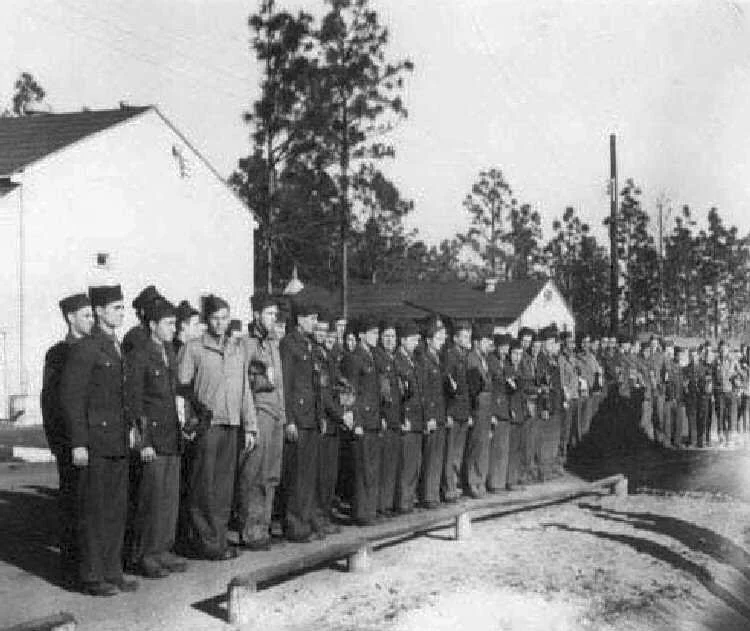
New recruits arrive at Camp Blanding, Florida, in 1942.
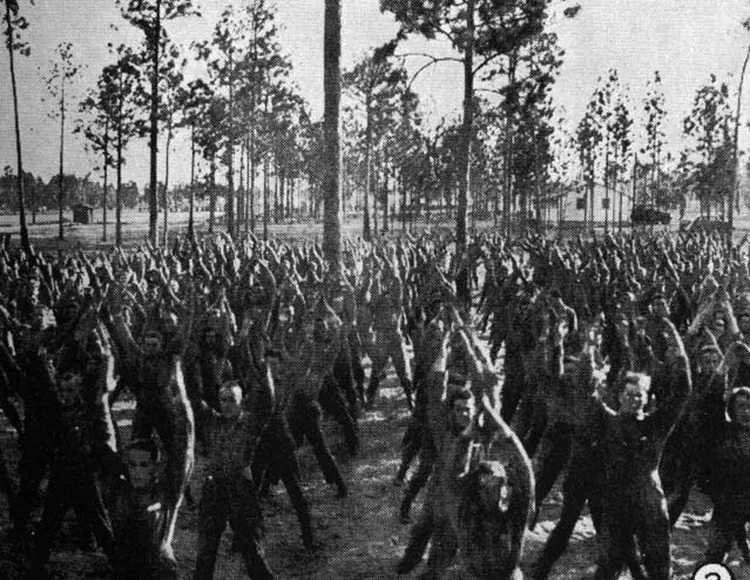
Jump, straddle, jump: basic training at Camp Blanding.
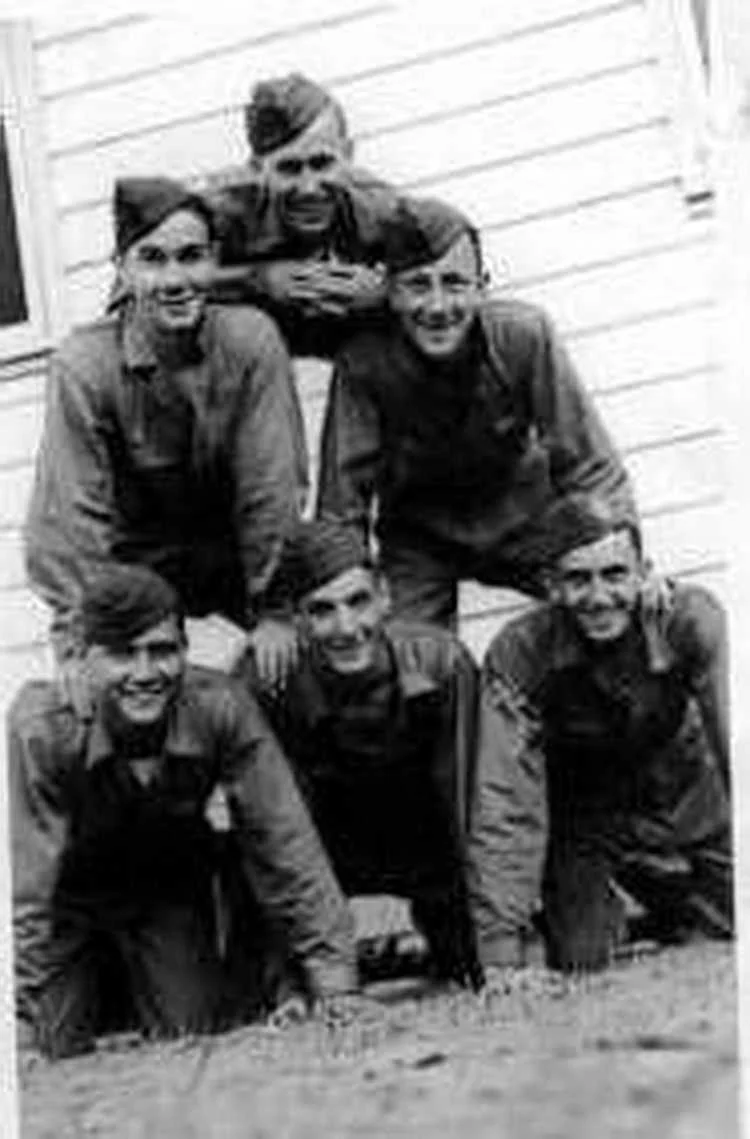
Buddies pose in a "pyramid of power" during physical training at Camp Blanding.
January 1944: Northern Ireland
After a 12-day crossing of the Atlantic, the troop ship docked at Belfast on January 8, 1944.
The regiment took a train to Portstewart and set up camp near the Cromore estate. They trained there for about two months.
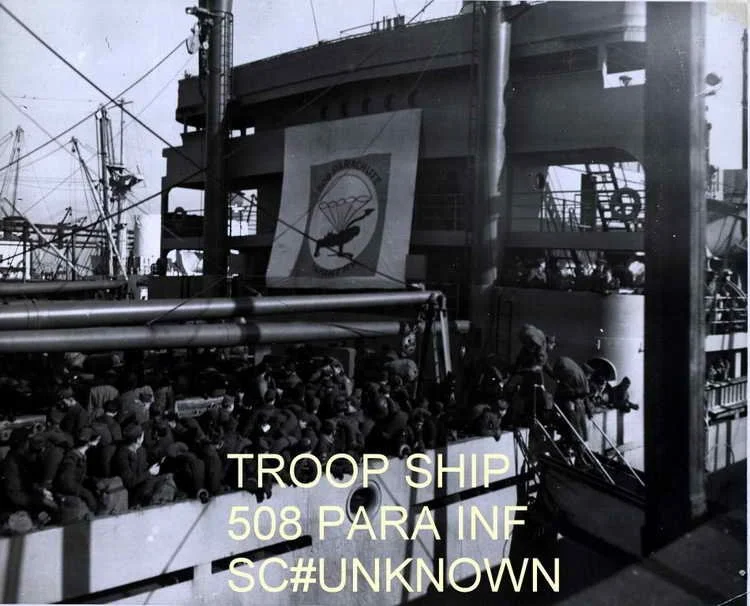
Men of the 508th aboard a troop ship (U.S. Army archive photo), thought to be arriving at Belfast, Northern Ireland, in January 1944.
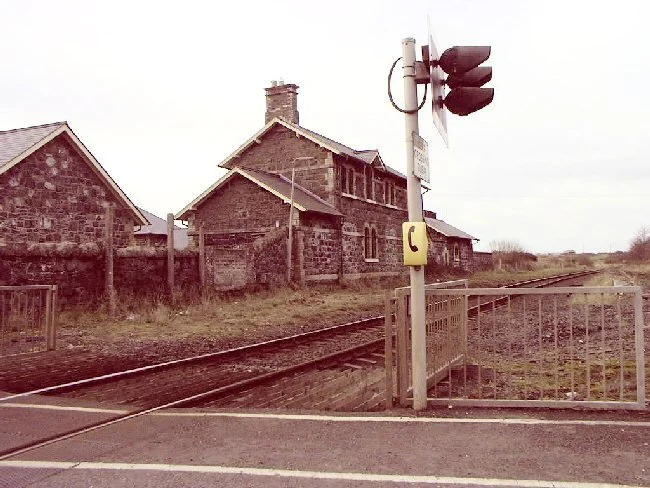
Portstewart railway station, where the train from Belfast dropped the men for their camp.
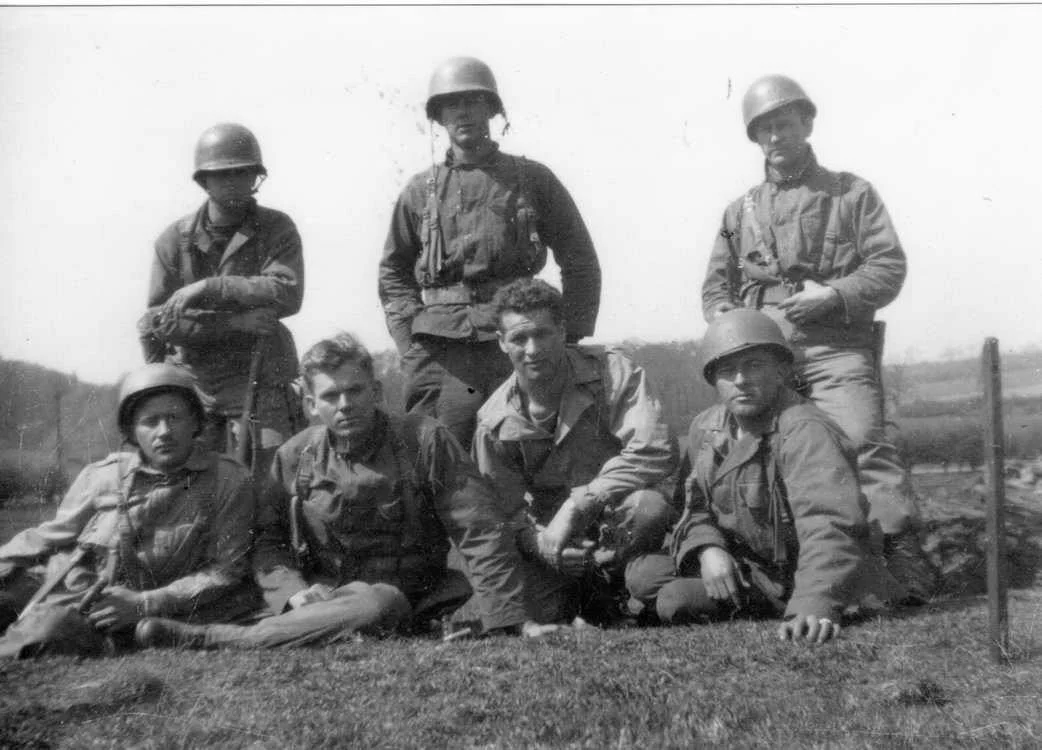
Training in the field in Northern Ireland, early 1944.
March 1944: Wollaton Park, Nottingham, England
On March 13, 1944, the regiment arrived at Wollaton Park, on the edge of Nottingham. It stayed their home base until the fighting in Europe ended.
Hard training filled the days: field exercises, parachute jumps and live-fire drills. The people of Nottingham welcomed the troopers warmly, and many friendships lasted a lifetime.
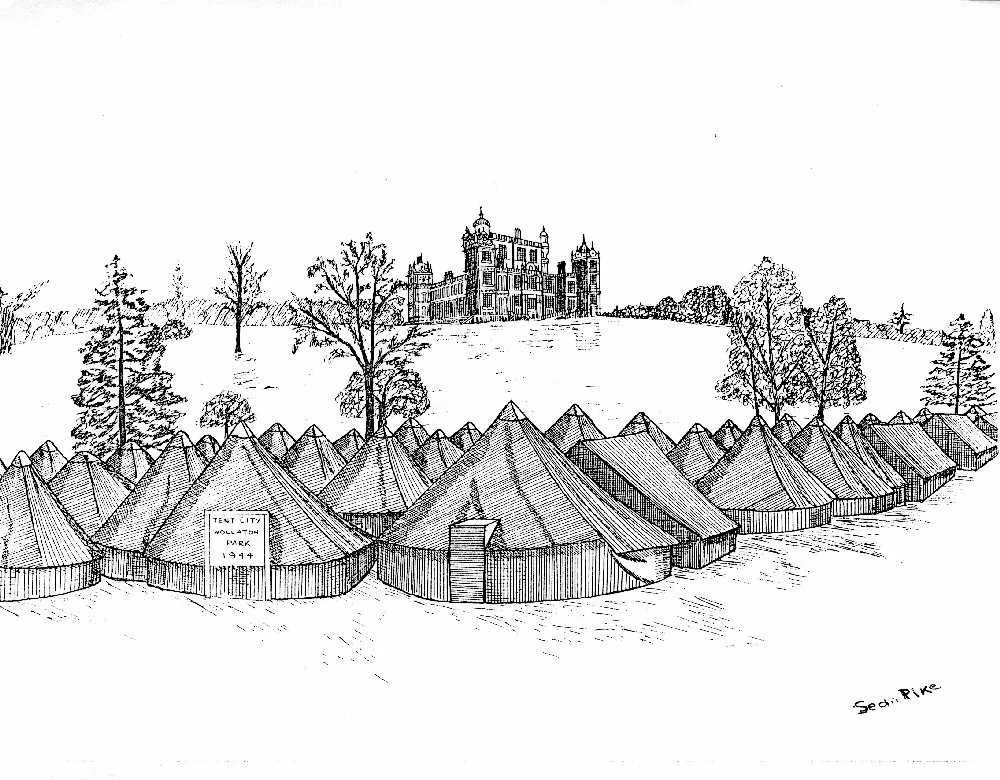
"Tent City" at Wollaton Park, 1944, as imagined by artist Sean Pike.
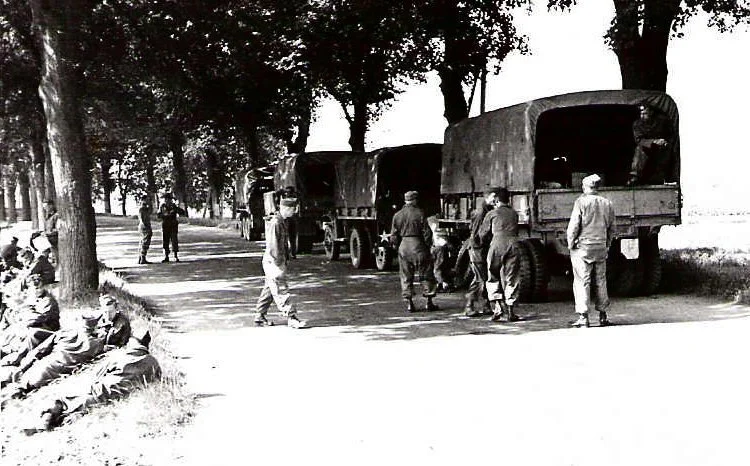
A break in the summer sunshine at Wollaton Park, waiting for the trucks to roll.
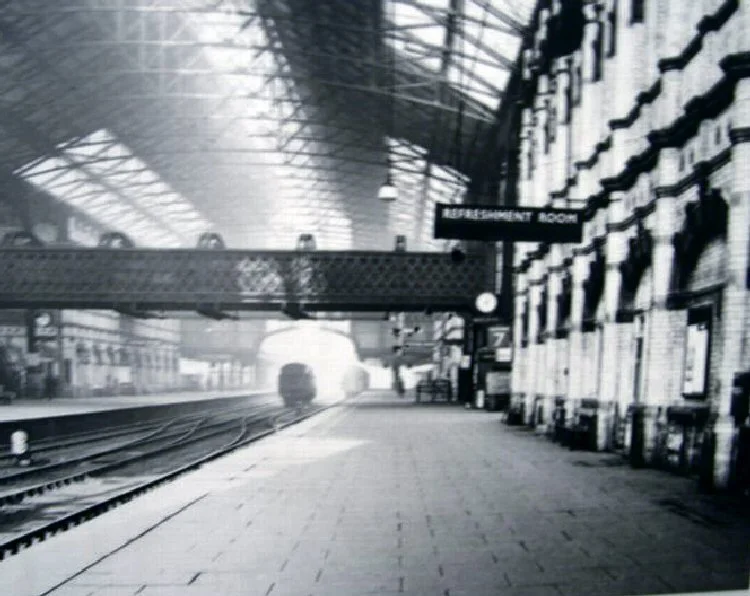
The train platform at Nottingham Victoria Station, where the regiment arrived in England.
June 6, 1944: D-Day in Normandy
On D-Day, 2,056 men of the 508th jumped into Normandy. By July 15, only 918 returned. The rest had been killed, captured or wounded.
The regiment's original drop zone was near Hill 110, close to the town of St-Sauveur-le-Vicomte. Many men landed far from their targets, and small groups fought on together.
The fight for the bridges over the Merderet River, at Chef-du-Pont and La Fiere, is remembered for its fierce fighting.
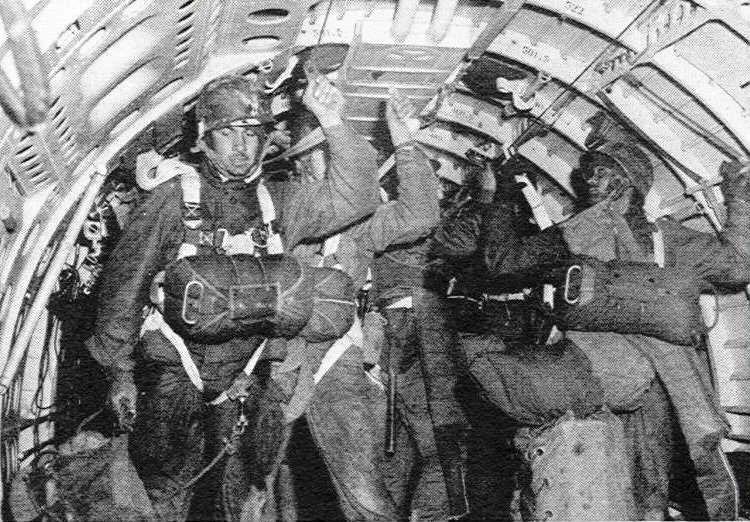
Paratroopers ready to jump. Over 14,000 airborne troops waited for the green light on D-Day.
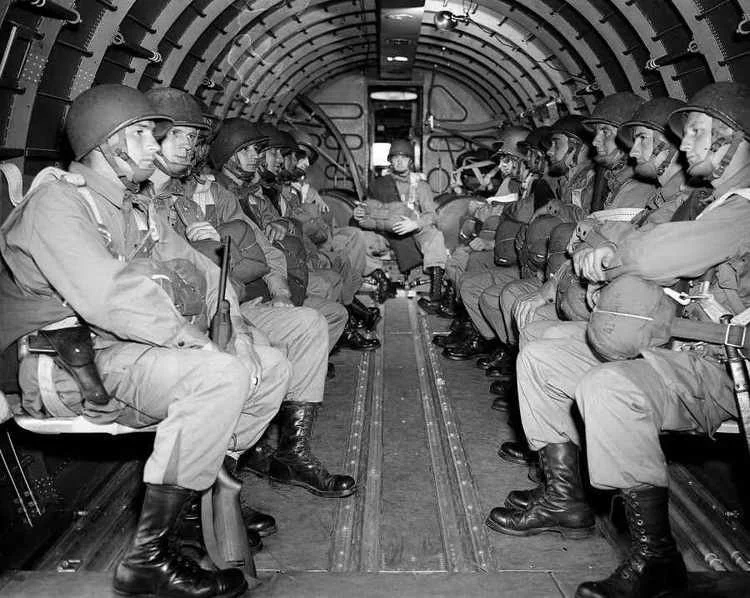
A "stick" of paratroopers on a plane, waiting for the order to stand up and hook up.
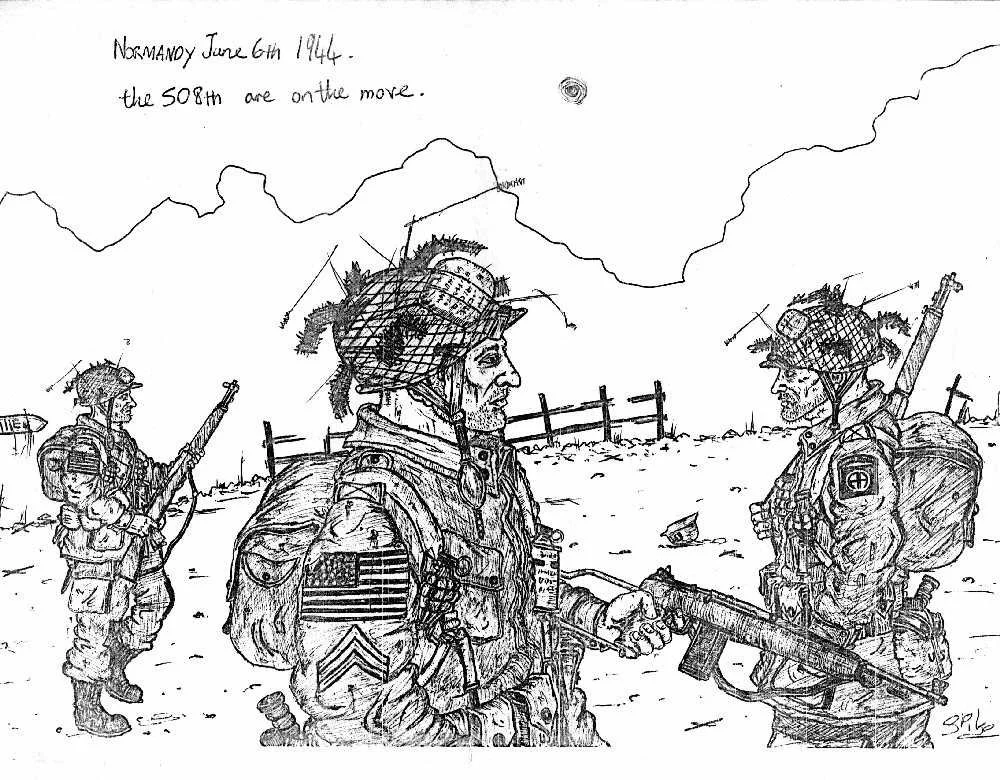
The 508th on the move on D-Day, near Picauville, as imagined by artist Sean Pike.
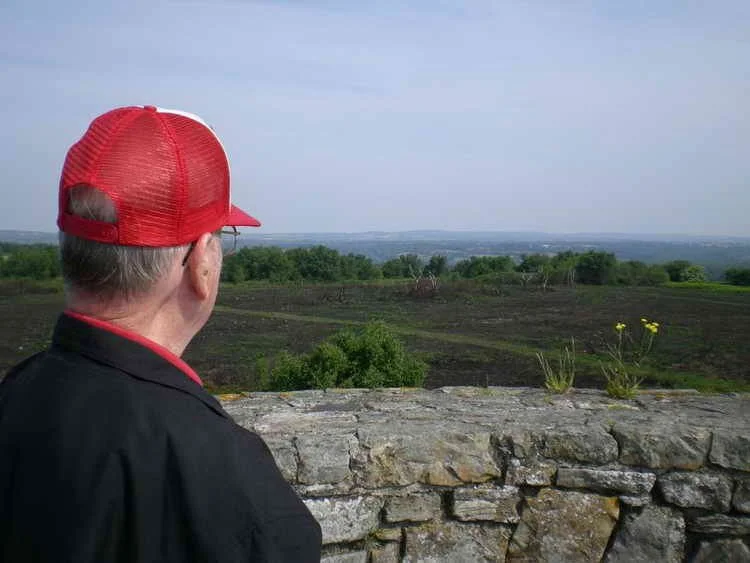
Looking over Hill 110 near St-Sauveur-le-Vicomte, the 508th's original drop zone.
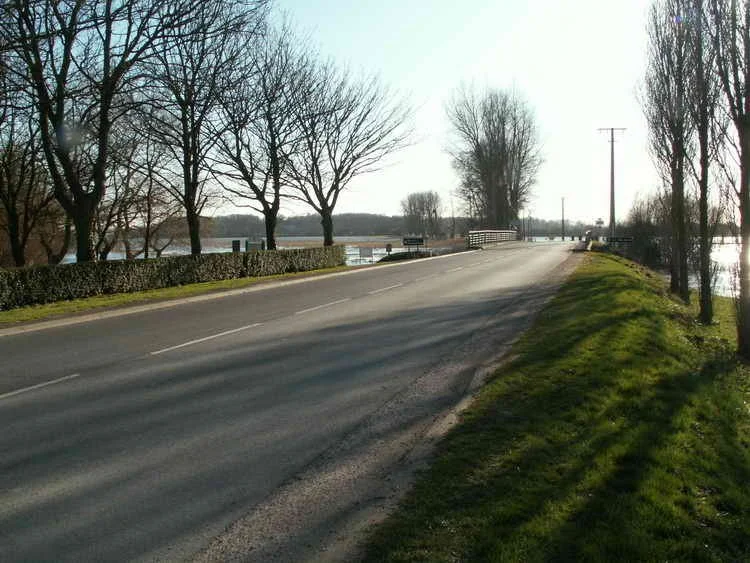
The Merderet bridge at Chef-du-Pont looks peaceful today. In 1944 it was the scene of fierce fighting.
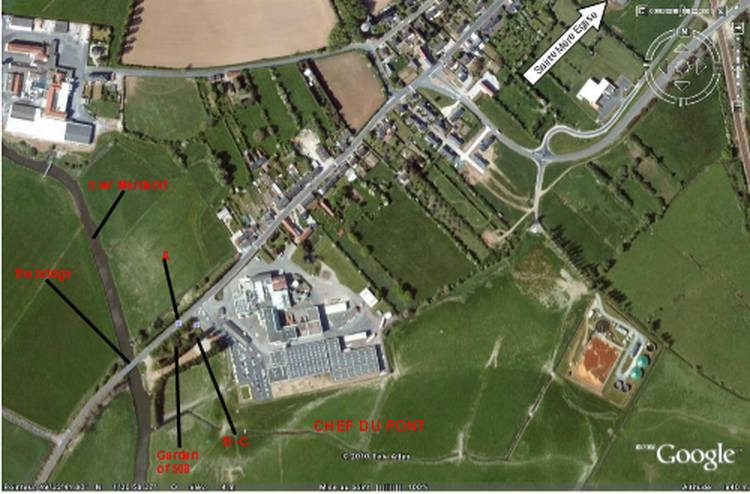
An aerial view of Chef-du-Pont: the bridge, the first monument site and the 508th Memorial Park.
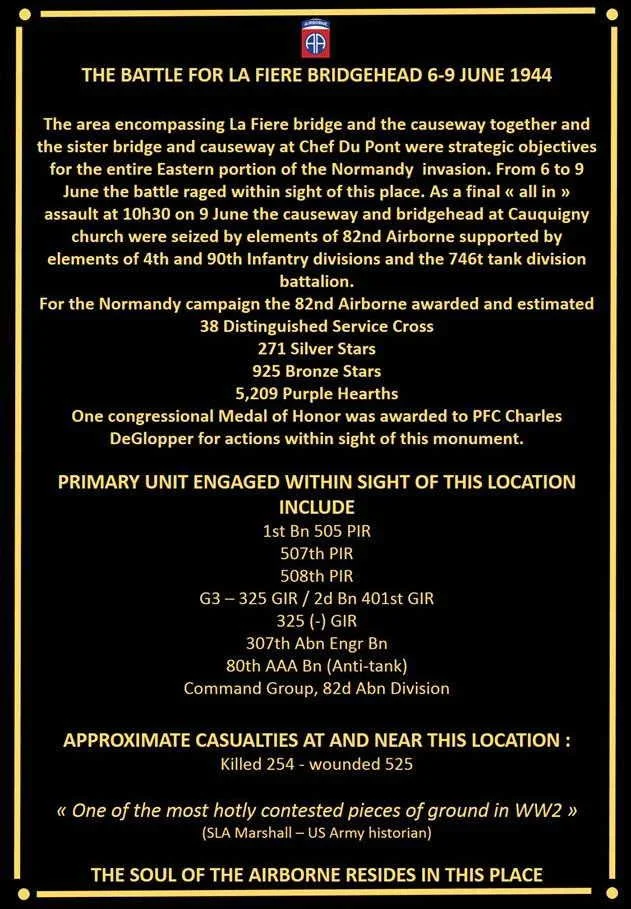
A plaque at La Fiere describes the battle for the bridgehead, 6 to 9 June 1944.
September 1944: Operation Market Garden, Holland
On September 17, 1944, more than 14,000 Allied paratroopers took part in Operation Market Garden. It was the largest combat jump in history.
The 508th jumped onto a drop zone near Groesbeek and then pushed on to the Nijmegen bridge.
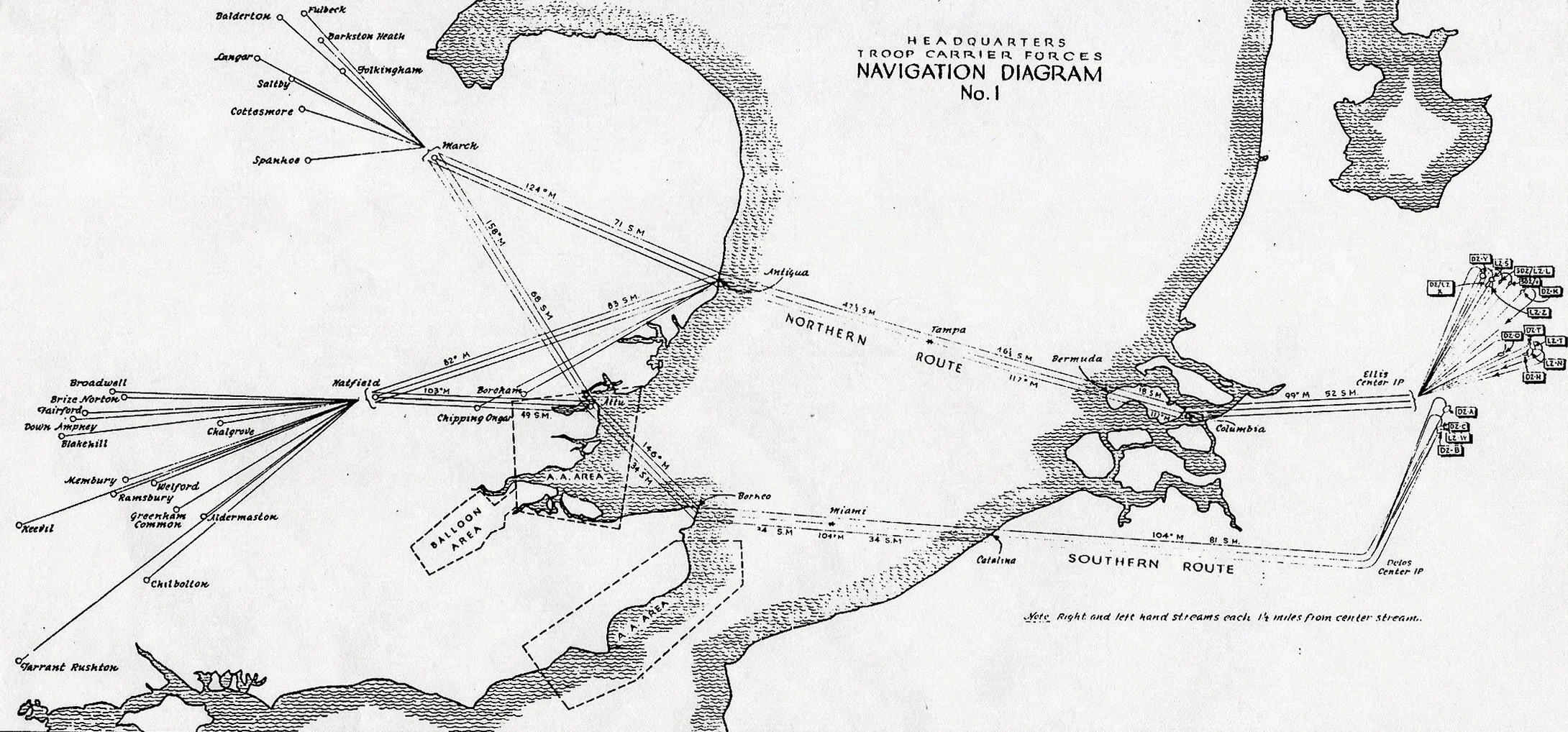
The Market Garden flight route. The 508th aimed for its drop zone near Groesbeek, Holland.
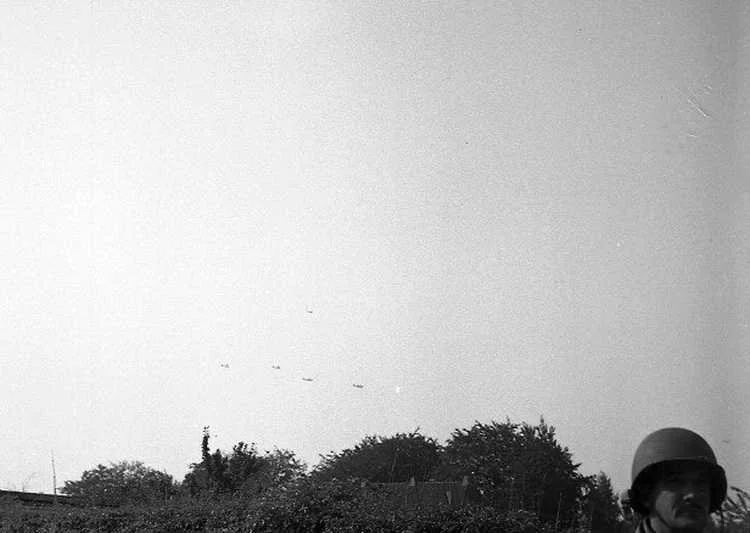
C-47s towing gliders appear over the trees in Holland, September 1944.
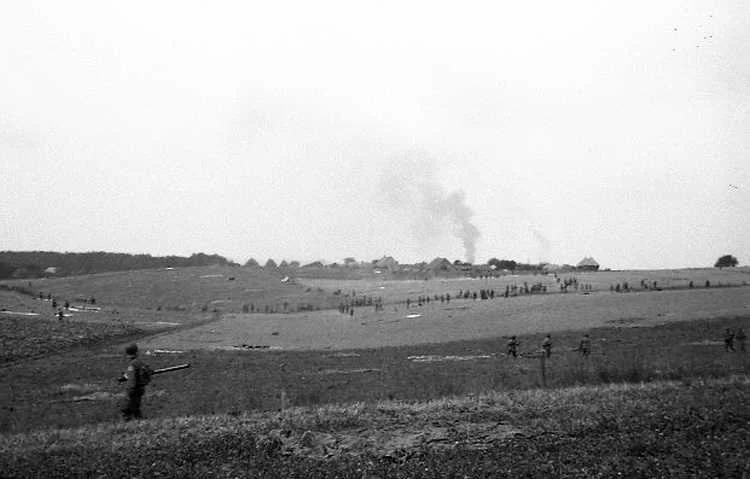
Troopers gather equipment bundles from the drop zone and prepare it as a glider landing zone.
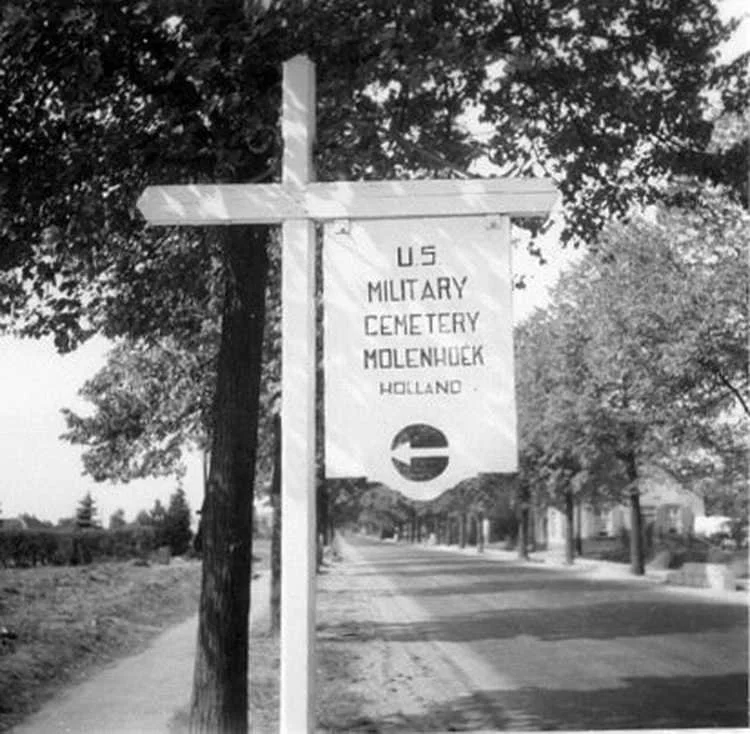
The entrance to Molenhoek temporary cemetery in Holland, about 1945.
Winter 1944-1945: The Battle of the Bulge, Belgium
In December 1944, the 508th was sent to the Ardennes in Belgium. Snow, bitter cold and long, lonely hours on guard were part of every day.
In 2013 a memorial was dedicated at Rencheux, Belgium, to honor the paratroopers who fought there.
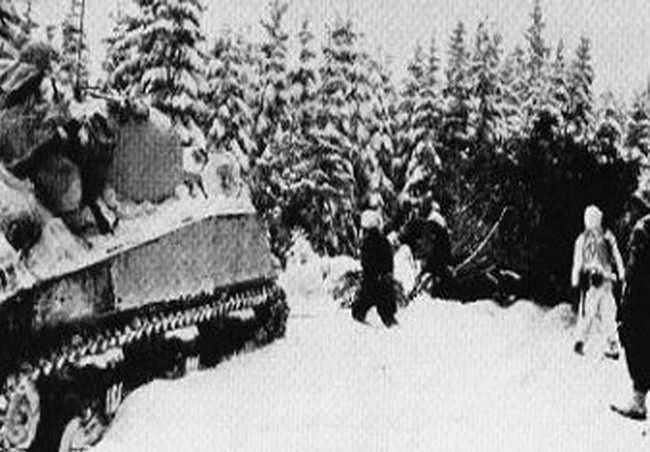
Snow was an enemy too. Even a tank had a tough time getting through during the Battle of the Bulge.
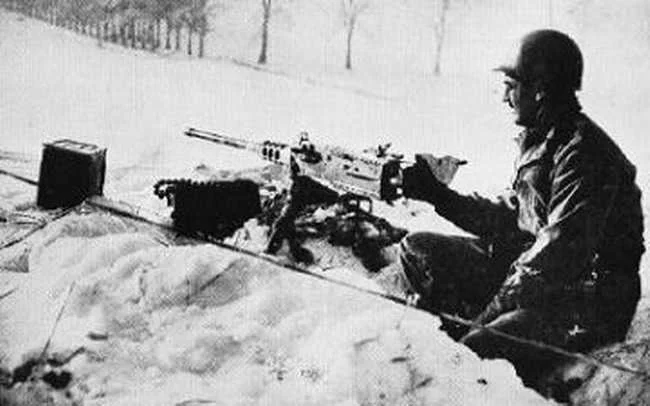
A long and lonely vigil in the cold of the Ardennes.
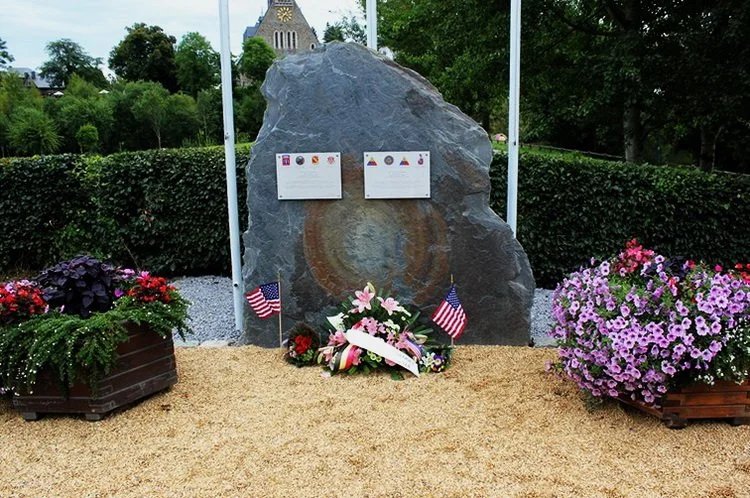
The memorial at Rencheux, Belgium, dedicated in 2013 to the 82nd Airborne Division.
1945-1946: Coming home
When the war in Europe ended, the men of the 508th went home in small groups and then in whole battalions.
Many stepped off the ships in New York with a duffel bag and a story they would carry for the rest of their lives.
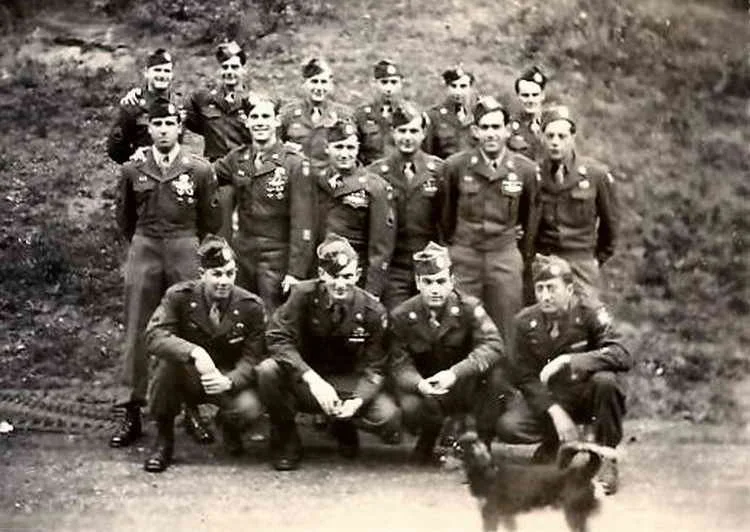
Headed home: sixteen men of the 508th on their way back to the United States.
Explore more
Do you have photographs or letters from a 508th paratrooper? We would love to hear from you at 508paratrooper@gmail.com.